
Top Products For Rock Driveway Installations To Enhance Durability
Explore essential materials and tools that ensure a stable, long-lasting rock driveway with expert-recommended options.
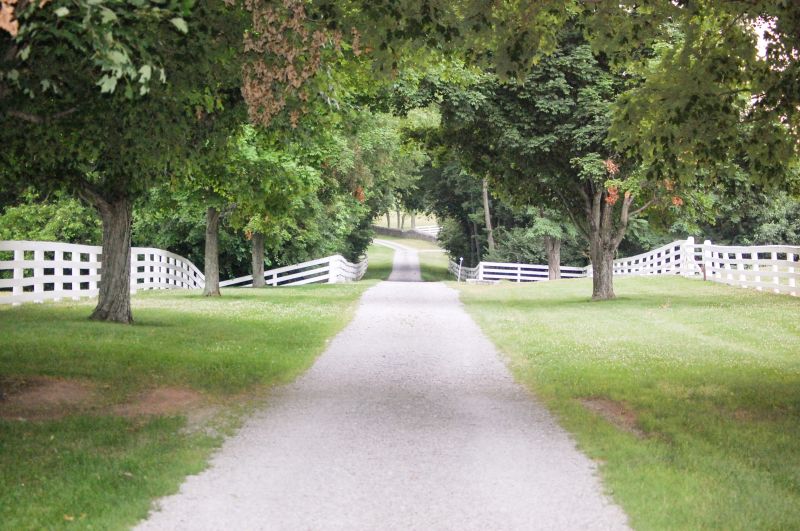 Installing a rock driveway can provide a durable and visually appealing surface for residential and commercial properties alike. The success of a rock driveway largely depends on selecting the right materials and proper installation techniques. Typically, a layered approach is used, starting with a solid base layer to ensure stability, followed by a layer of larger rocks or gravel that form the surface. Proper drainage considerations are essential to prevent erosion and maintain the integrity of the driveway over time. Additionally, regular maintenance such as regrading and adding fresh gravel can help extend the lifespan and appearance of the driveway.
Top Overall Option
Crushed Stone Aggregate
Crushed stone aggregate is a versatile and commonly used material for rock driveway installations. It offers excellent drainage properties and compacts well to form a stable surface. This type of aggregate is available in various sizes, making it suitable for both the base layer and surface layer of a driveway. Properly selected and installed crushed stone can contribute to a durable and visually appealing driveway surface that withstands regular use. Its versatility and ease of installation make it a popular choice among homeowners and contractors alike.
Types of Products For Rock Driveway Installations
Crushed Stone
Crushed stone is a fundamental material used for both the base and surface layers of a rock driveway, available in various sizes to suit different installation needs.
Gravel
Gravel provides a smooth and permeable surface, ideal for finishing layers and for areas requiring good drainage.
Decomposed Granite
Decomposed granite offers a natural look with excellent compaction qualities, suitable for driveways that need a firm surface.
Crusher Run
Crusher run is a mixture of crushed stone and fine material, providing a stable base and surface for rock driveways.
River Rock
River rock features smooth, rounded stones that add aesthetic appeal and are often used as a top layer in driveways.
Pea Gravel
Pea gravel consists of small, rounded stones that create a softer surface, often used for decorative accents or finishing touches.
Limestone Chips
Limestone chips are angular stones that lock together well, providing a firm and stable surface for driveways.
Sand
Sand can be used as a bedding layer or filler material, helping to stabilize other aggregate layers.
Recycled Concrete Aggregate
Recycled concrete offers an eco-friendly alternative, suitable for base layers and providing good compaction.
Flagstone
Flagstone can be used for decorative edging or pathways alongside rock driveways, adding aesthetic appeal.
Geotextile Fabric
Geotextile fabric helps stabilize the soil beneath the driveway, preventing mixing of soil and aggregate materials.
Popular Choices
Crushed stone remains a frequently chosen material for its versatility and reliable performance in various driveway applications.
Gravel is widely used for its affordability and ease of installation, making it a common choice for many driveway projects.
Crusher run is popular for its ability to create a stable base and smooth surface, especially in heavy-use areas.
River rock is favored for its aesthetic qualities and natural appearance, often used as a top layer or decorative feature.
Decomposed granite offers a natural look with good compaction, suitable for driveways needing a firm surface.
Pea gravel is chosen for its smooth texture and decorative appeal, often used in combination with other materials.
Limestone chips are popular for their angular shape and stability, making them suitable for durable driveway surfaces.
Recycled concrete is increasingly favored for its sustainability and effective performance as a base material.
Sand is often used as a bedding layer or filler to enhance stability and drainage in driveway installations.
Choosing the appropriate products for your rock driveway involves understanding the different types of aggregate materials, their sizes, and their suitability for your specific needs. For example, larger stones may provide better stability and drainage, while finer gravel can create a smoother surface. Incorporating edge restraints can help contain the rocks and prevent displacement during use. The right combination of materials ensures that the driveway remains functional and aesthetically pleasing for years to come.
Proper installation techniques are equally important. This includes preparing a well-compacted sub-base, ensuring proper slope for drainage, and evenly distributing the aggregate materials. Using quality products designed specifically for driveway applications can make a significant difference in the overall durability and performance. Whether you are creating a new driveway or upgrading an existing one, selecting the right products and following best practices can help achieve a stable, long-lasting surface that meets your needs.
Key Buying Considerations
- Determine the primary purpose of the driveway and select materials accordingly.
- Consider the local climate and drainage requirements to choose suitable aggregate types.
- Evaluate the size and angularity of rocks for stability and aesthetic preferences.
- Assess the compatibility of materials with existing landscape and driveway design.
- Ensure the availability of materials in your area to avoid delays and extra costs.
- Check for proper compaction and layering techniques recommended for each material.
- Include edge restraints or borders to contain the aggregate and maintain shape.
- Factor in maintenance needs, such as regrading or adding fresh gravel over time.
- Review local building codes or regulations related to driveway construction.
- Consider the long-term durability and how the materials will withstand traffic and weather conditions.
- Select high-quality, well-graded materials to ensure consistent performance.
- Plan for proper drainage solutions to prevent erosion and pooling.
- Estimate the total quantity of materials needed to avoid shortages during installation.
- Think about aesthetic preferences and how the materials complement your property’s style.
- Consult with professionals or experienced installers for best practices and recommendations.