Rock Driveway Installation Timing Benefits
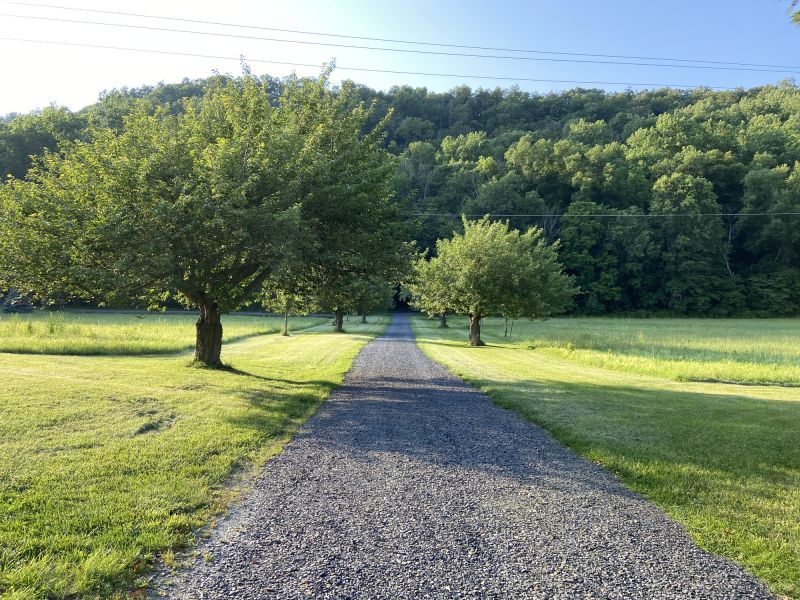
Spring offers moderate temperatures and stable ground conditions, ideal for driveway installation projects.
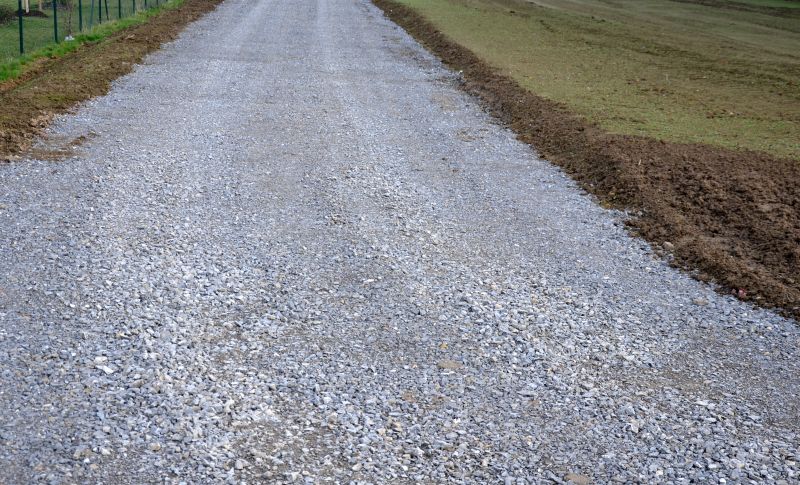
Warm weather and dry conditions facilitate proper compaction and installation of rock driveways.
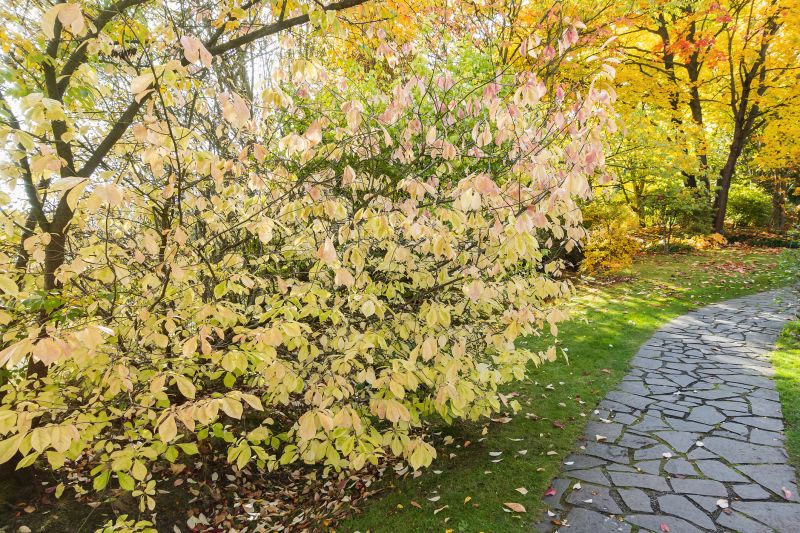
Autumn provides cooler temperatures and less rainfall, reducing delays and ensuring quality work.
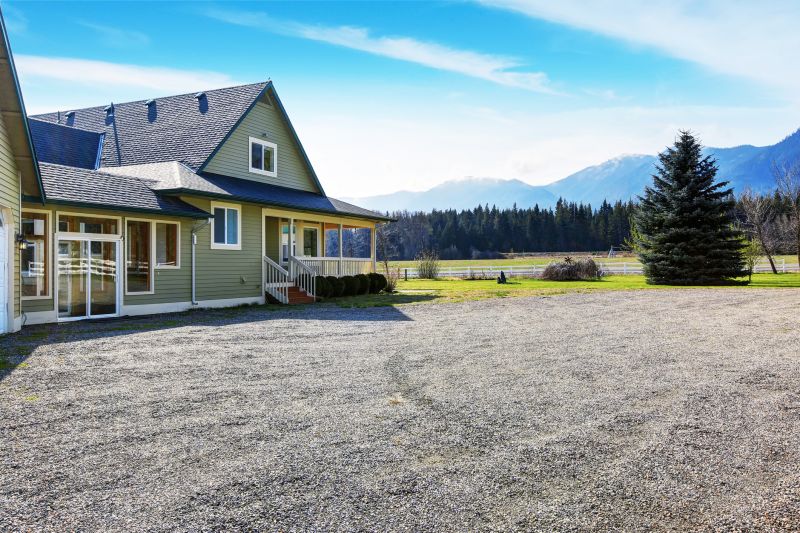
Ways to make Rock Driveway Installations work in tight or awkward layouts.
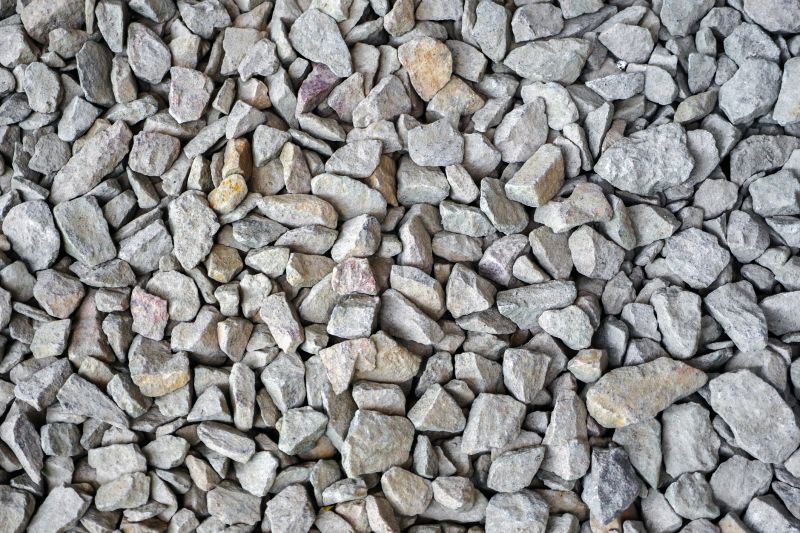
Popular materials for Rock Driveway Installations and why they hold up over time.
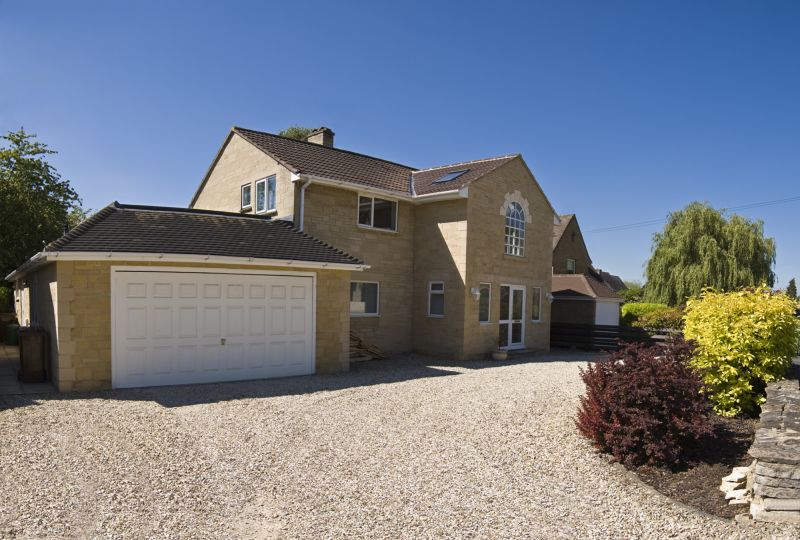
Simple add-ons that improve Rock Driveway Installations without blowing the budget.
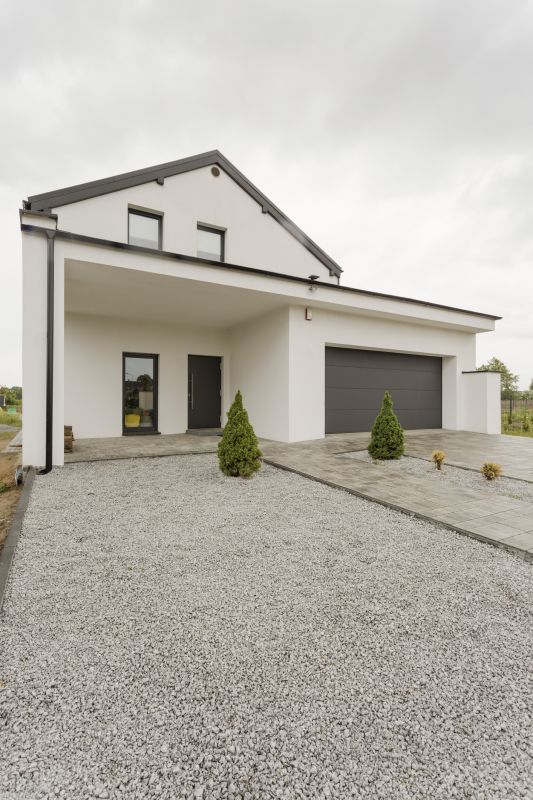
High-end options that actually feel worth it for Rock Driveway Installations.
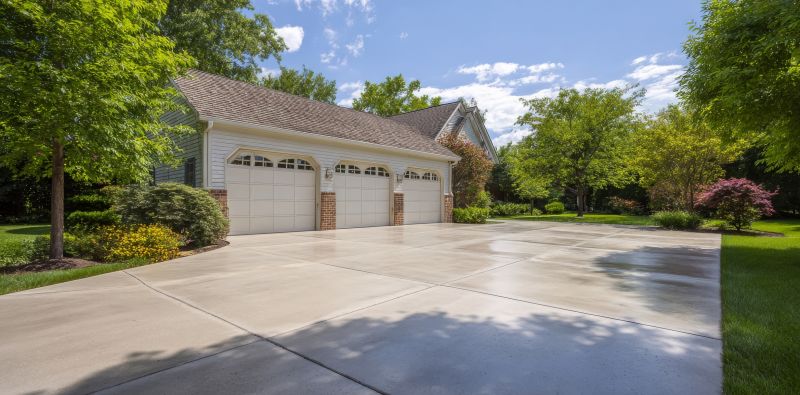
Finishes and colors that play nicely with Rock Driveway Installations.
Rock driveway installations are a popular choice for their durability and aesthetic appeal. The process involves preparing the ground, laying a stable base, and adding layers of crushed rock or gravel. Proper installation ensures longevity, efficient drainage, and minimal maintenance. The timing of installation impacts the quality of work, with optimal conditions reducing the risk of issues such as erosion or uneven settling.
Statistics indicate that installations performed during moderate weather conditions tend to have fewer repairs and longer lifespan. Rain and extreme temperatures can compromise the compaction process, leading to uneven surfaces or early deterioration. Planning installation during the recommended seasons can result in cost savings and a more durable driveway.
Ideal for avoiding summer heat and ensuring proper ground settling.
Best suited for dry conditions, allowing for efficient work and proper compaction.
Provides cooler weather and less rain, reducing delays and ensuring quality.
Generally not recommended due to freezing temperatures and potential delays.
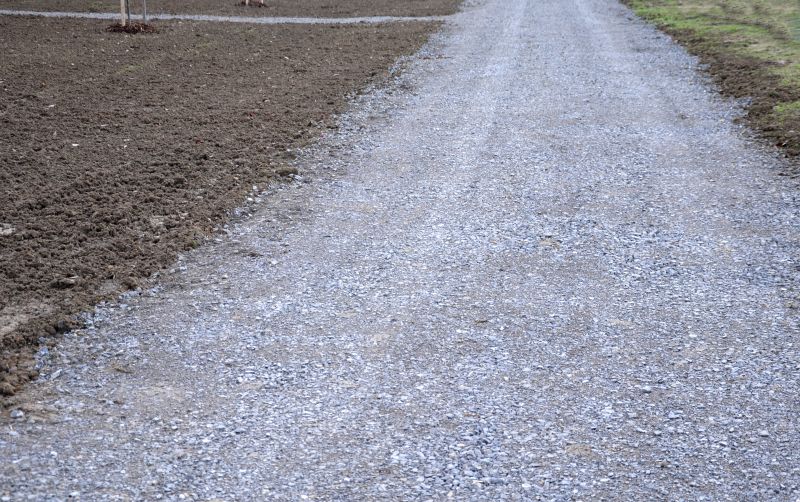
Preparation during spring ensures stable ground and optimal conditions.
Summer installations benefit from dry weather and warm temperatures.
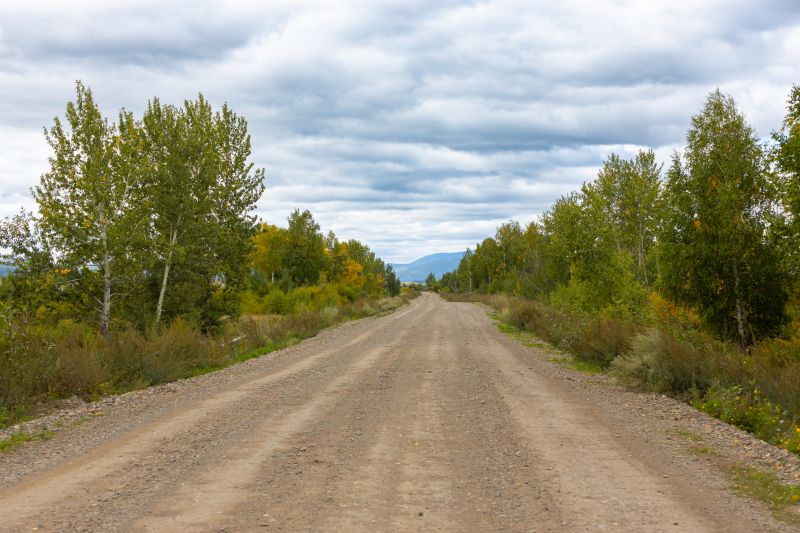
Autumn offers cooler temperatures and less precipitation for quality work.
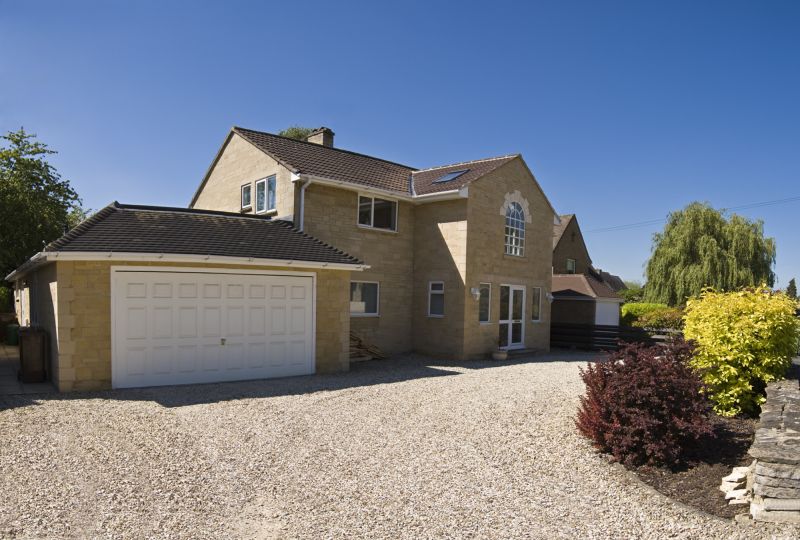
Winter is generally unsuitable due to freezing conditions and delays.
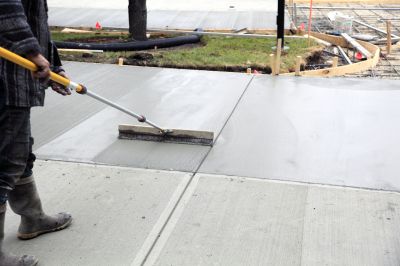
Little measurements that prevent headaches on Rock Driveway Installations day.
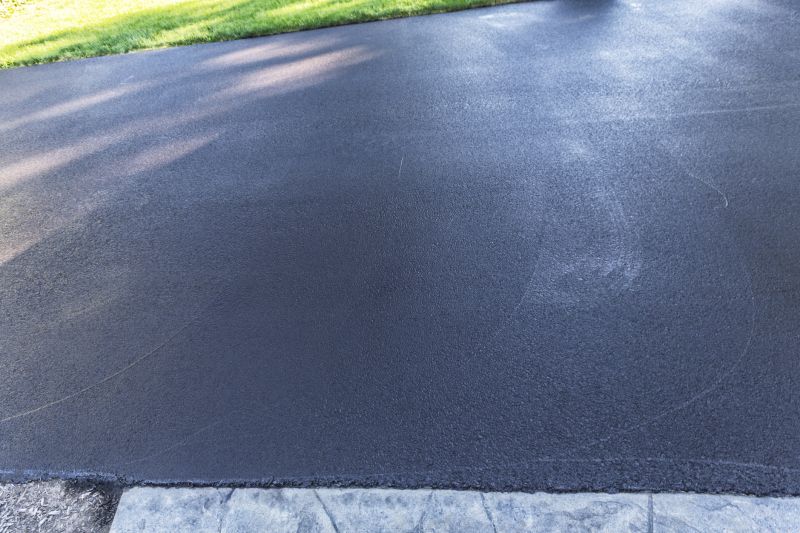
A 60-second routine that keeps Rock Driveway Installations looking new.
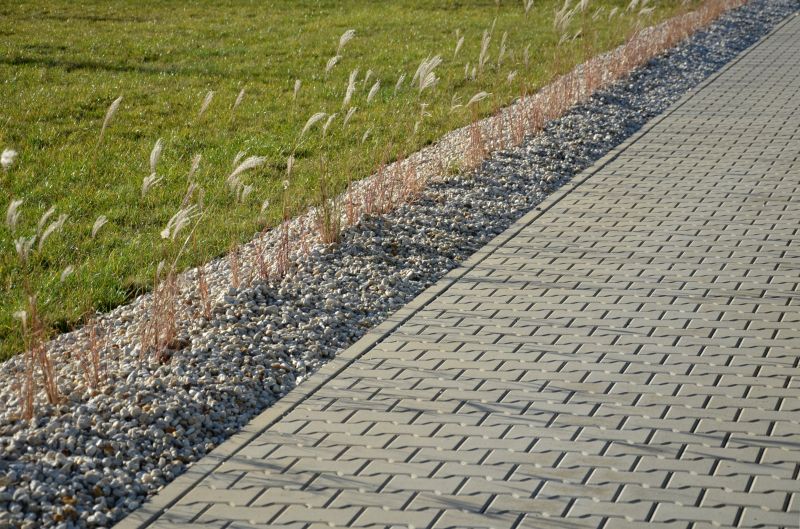
A frequent mistake in Rock Driveway Installations and how to dodge it.
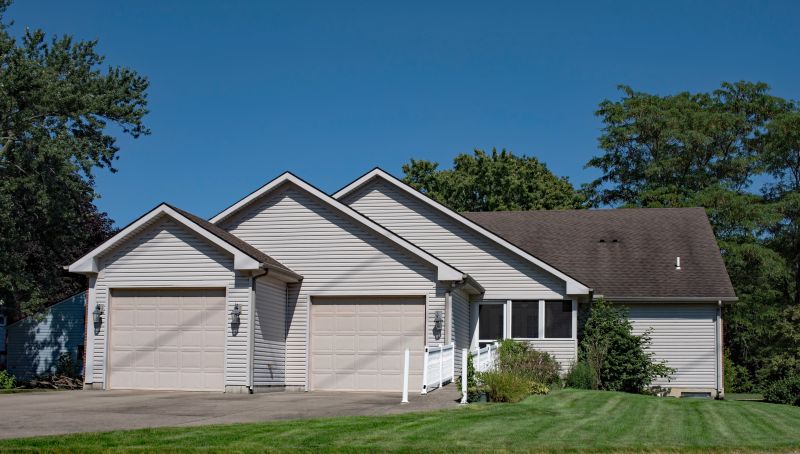
Small tweaks to make Rock Driveway Installations safer and easier to use.
| Season | Ideal Conditions |
|---|---|
| Spring | Moderate temperatures, stable ground, minimal rain |
| Summer | Dry weather, warm temperatures, good for compaction |
| Autumn | Cooler temperatures, less rainfall, good for quality |
| Winter | Freezing temperatures, snow, and delays |
| Late Fall | Potential for early frost, less ideal |
Choosing the right time for rock driveway installation can significantly influence the durability and appearance of the finished project. Proper timing ensures optimal soil conditions, reduces the risk of erosion, and minimizes the need for repairs. Consulting with installation professionals can help determine the best seasonal window based on local climate patterns.
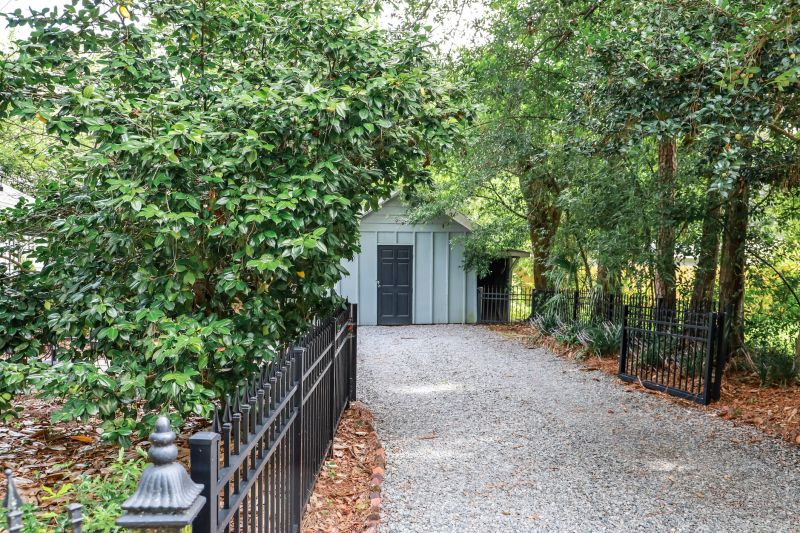
Optimal for ground stability and weather conditions.
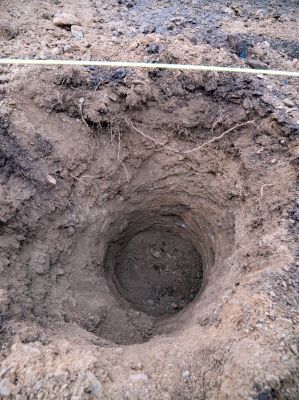
Best for dry conditions and effective compaction.
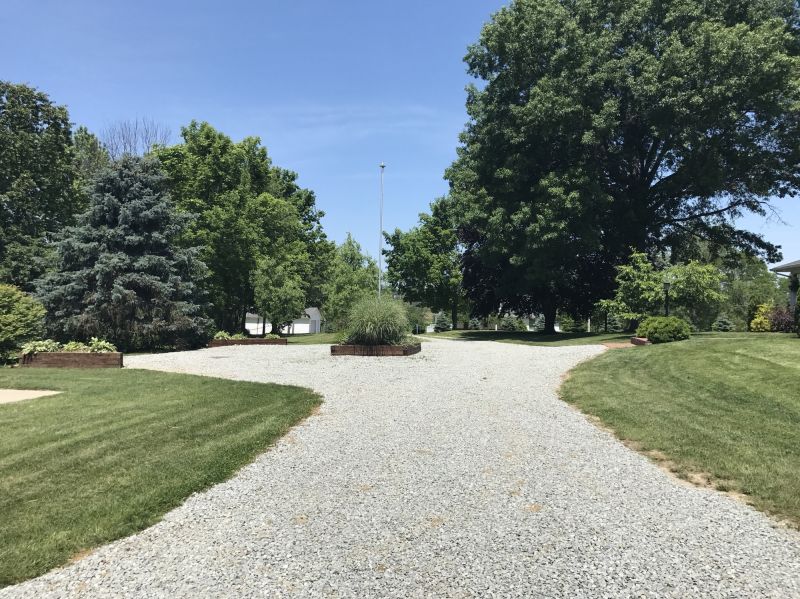
Provides cooler weather with less rain for quality work.
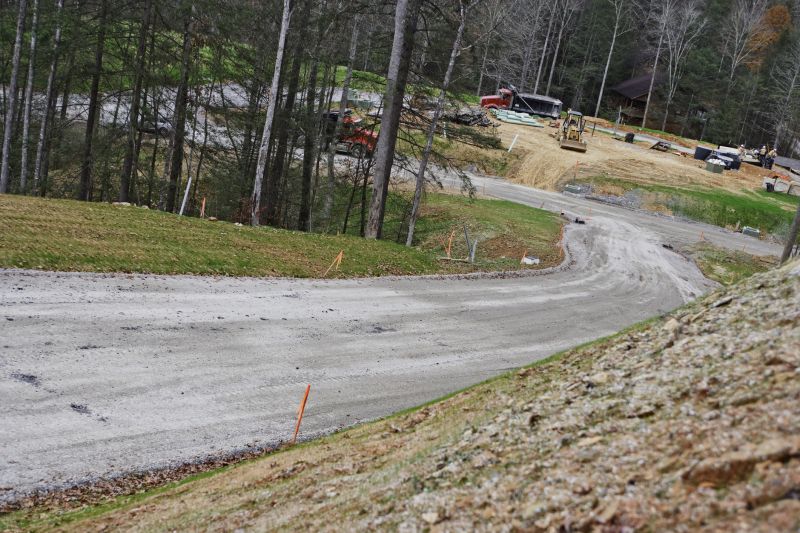
Typically avoided due to freezing and snow delays.
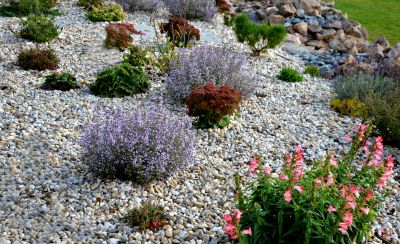
Lower-waste or water-saving choices for Rock Driveway Installations.
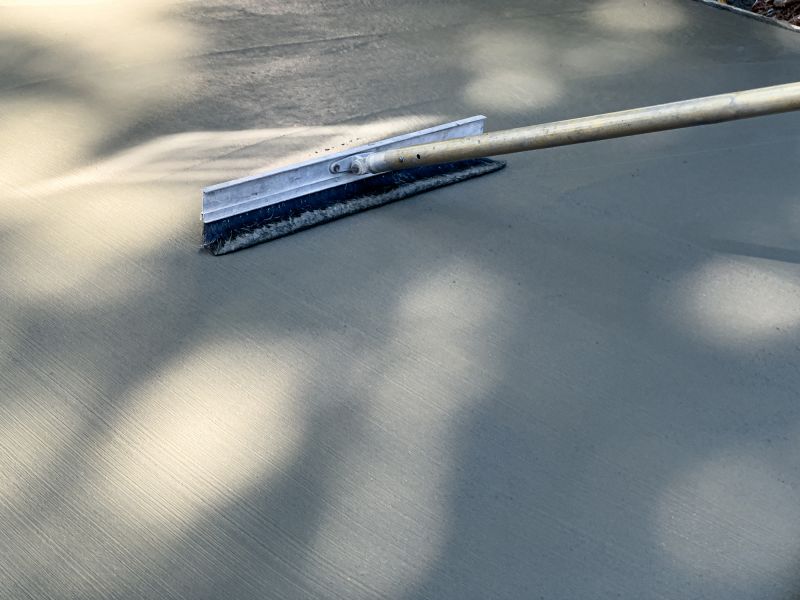
The short, realistic tool list for quality Rock Driveway Installations.
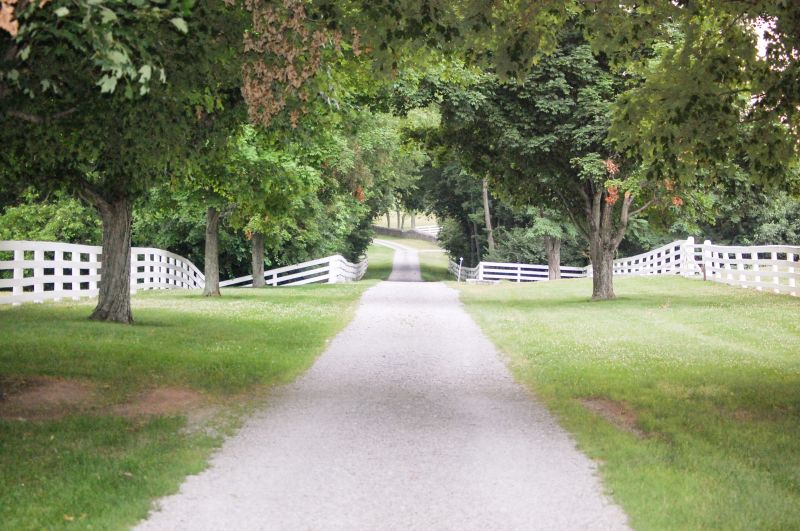
Rough timing from prep to clean-up for Rock Driveway Installations.

Quick checks and paperwork to keep after Rock Driveway Installations.
Interested in scheduling a rock driveway installation? Filling out the contact form can provide more information and help plan the optimal timing for the project based on specific site conditions and local climate patterns.